Yangzhou Kangcheng Power Equipment Co., Ltd.
Wholesale genset diesel generator Manufacturer2026-11-06
Content
When a utility feeder trips at 02:40, a cold-storage warehouse has roughly 20 minutes before product loss begins; a server room has less than one. That gap — between the moment the grid disappears and the first critical load fails — is what a microgrid is really being asked to close.
The best microgrid solution for backup power reliability is usually not the one with the largest solar array or the biggest battery bank. It is the one built around four numbers you can defend in a meeting: critical load in kW, ride-through time in seconds, autonomy in hours, and redundancy after a single failure. The rest — inverter choice, enclosure colour, controller interface — is detail wrapped around those four.
Reliability claims are cheap. Ask instead for five figures, in writing, calculated for your own site:
If a proposal cannot state these five figures for your building, it is a brochure rather than an engineering answer.
A microgrid is an assembly, not a single product: PV inverters, a battery converter, the utility intertie, one or more dispatchable generator sets, switchgear, and a controller that decides which source is connected to the priority bus at any moment.
The division of labour is fairly settled. Storage covers seconds to tens of minutes and smooths PV output. Generator sets cover hours to days and absorb motor starting. PV reduces fuel burn but cannot be dispatched, so it should never be counted as backup capacity in the reliability calculation.
| Architecture | Typical ride-through | Fuel dependence | Fits best | Main reliability risk |
|---|---|---|---|---|
| PV plus battery only | Minutes to a few hours, weather-dependent | None, but charged from the grid | Short, infrequent outages; demand-charge reduction | Multi-day outage, low winter yield |
| Diesel generator only | 8–15 seconds to accept load | High, refuelling required | Long outages, heavy motor loads | Start failure, fuel quality, no sub-second support |
| PV, battery and generator | Milliseconds to several days | Medium | Sites with sensitive loads and long outage exposure | Control logic and transfer sequencing |
The practical consequence is simple: the generator set is the only major component whose runtime depends on a fuel delivery. Fuel logistics belongs in the reliability plan, not in a procurement footnote.
Sizing starts with measurement, not with a catalogue page.
Keep the plant between 50% and 80% of rating in normal operation. Long runs below roughly 30% load encourage unburnt fuel and carbon build-up, commonly called wet stacking. Nameplate ratings also assume reference ambient and altitude, so a 40 °C plant room or a 1,500 m site needs a derated machine.
Matching engine family, alternator and rating to a real load profile takes more than a single power figure; the step-by-step selection logic is set out in our guide to choosing a diesel generator set.
As a reference point for a mid-size critical bus, a 250 kW frame is a common building block:
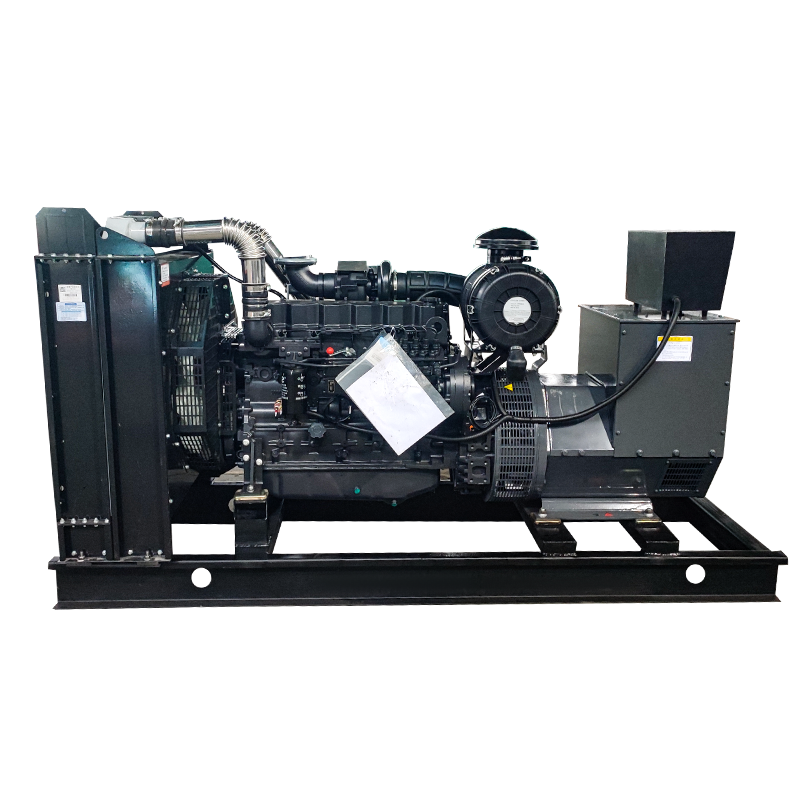
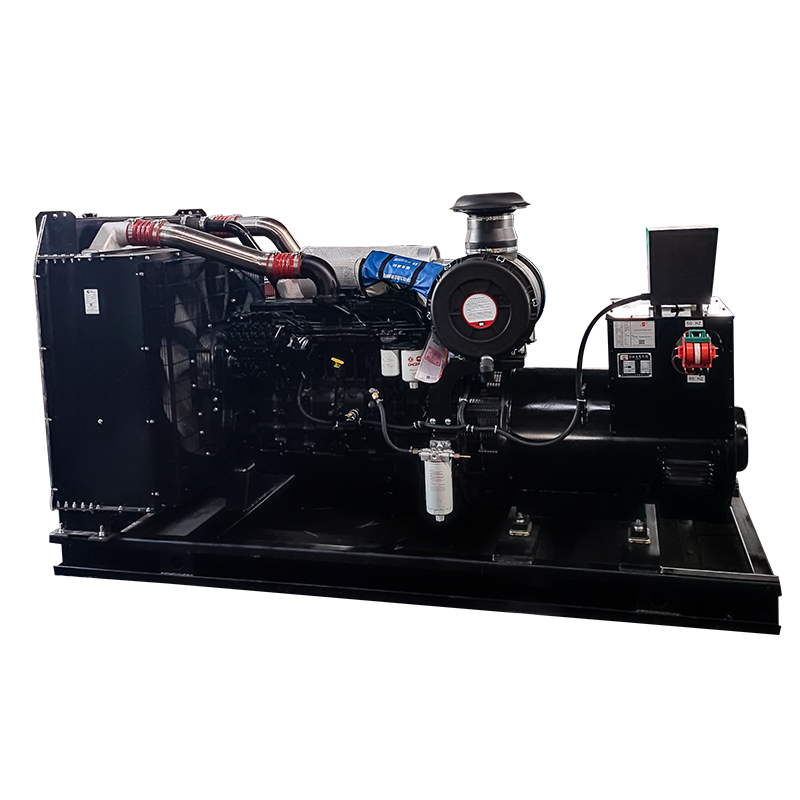 250 kW Dongfeng Cummins Diesel Generator SetA 250 kW frame with Cummins 6LTAA9.5-G1 engine and Kangcheng alternator, relevant as a building block for mid-size critical bus and N+1 checks.View Product →
N+1 appears in most specifications and is frequently sized wrongly. The test is straightforward: after the largest single unit fails, can the remaining units still carry the critical load in full?
Take a 600 kW critical load with two 400 kW sets in parallel. Together they offer 800 kW, which looks generous. One fails, 400 kW remains against a 600 kW demand — that is not N+1, it is N+0 with spare capacity. Workable answers are three 300 kW units, where 300 plus 300 still meets 600 kW, or two 600 kW units, which additionally allows maintenance cover without downtime.
Paralleled plants improve part-load efficiency and permit a rolling service schedule, but they introduce single points of failure: the master controller, the paralleling bus, the fuel polishing circuit and the transfer switch mechanism each need redundancy or a tested bypass.
Where the critical load runs into the high hundreds of kW, a single 800 kW frame can act as the second unit in a two-set arrangement:
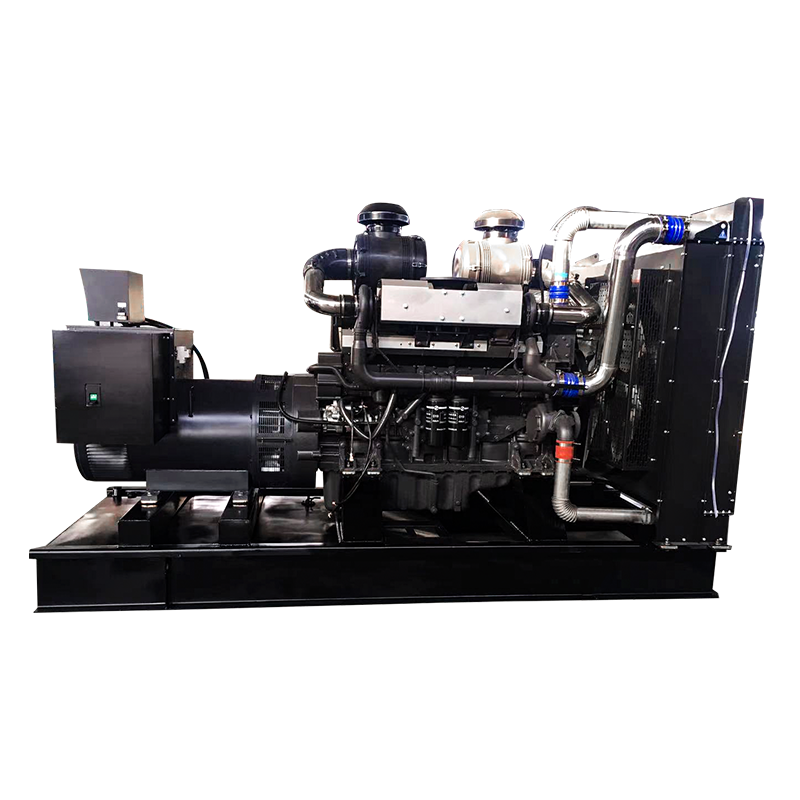
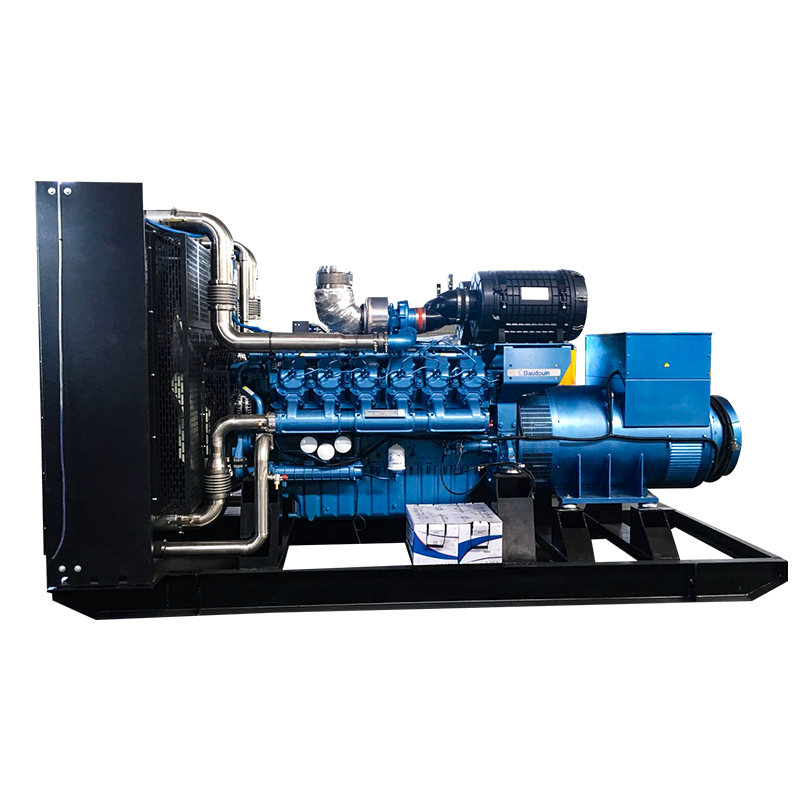 800 kW Weichai Diesel Generator SetAn 800 kW Weichai 12M26D902E200 set with Kangcheng alternator, positioned for high-hundreds-kW critical load as a second unit in a two-set arrangement.View Product →
Standby plant rarely fails because the engine wore out. It fails because it was never exercised under load, or because a small component sat idle for a year.
| Component | Typical symptom | Preventative check |
|---|---|---|
| Starting batteries and charger | Slow crank, low-voltage alarm | Monthly voltage check, calendar replacement cycle |
| Fuel quality | Clogged filters, smoky exhaust | Annual fuel test, water removal, tank polishing |
| Coolant heater | Cold-start misfire, white smoke | Heater and thermostat check at every service |
| Transfer switch | Delayed or refused transfer | Monthly exercise under load, annual contact inspection |
| Controller and wiring | Failed remote start, nuisance alarms | Firmware and terminal check during annual service |
A practical routine: run the plant monthly at not less than 50% load for 30–45 minutes, exercise the transfer switch at the same time, load-bank test annually, and test fuel for water and microbial growth once a year. Tank capacity is a design decision with a maintenance edge — diesel stored beyond roughly 12 months degrades without treatment, so an oversized tank becomes a liability unless polishing is scheduled.
Transition time is a utility question and a process question at once. Open transition is simple and needs no synchronising, but the load sees 8–15 seconds of darkness. Closed transition transfers in under 100 ms using a sync-check relay, which is worth having where the utility permits it and the load cannot tolerate a dip.
Above roughly 800 kW to 1 MW, a single frame becomes harder to deliver, cool and replace, so two or three smaller units in parallel are often more reliable than one large machine — redundancy aside. Protection settings deserve equal attention: reverse power, over- and under-frequency, loss of mains, and a defined black-start sequence should be documented and witnessed with the site team rather than left at factory defaults.
For heavy industrial islands, a 1,320 kW frame is frequently the base unit of such a paralleled plant:
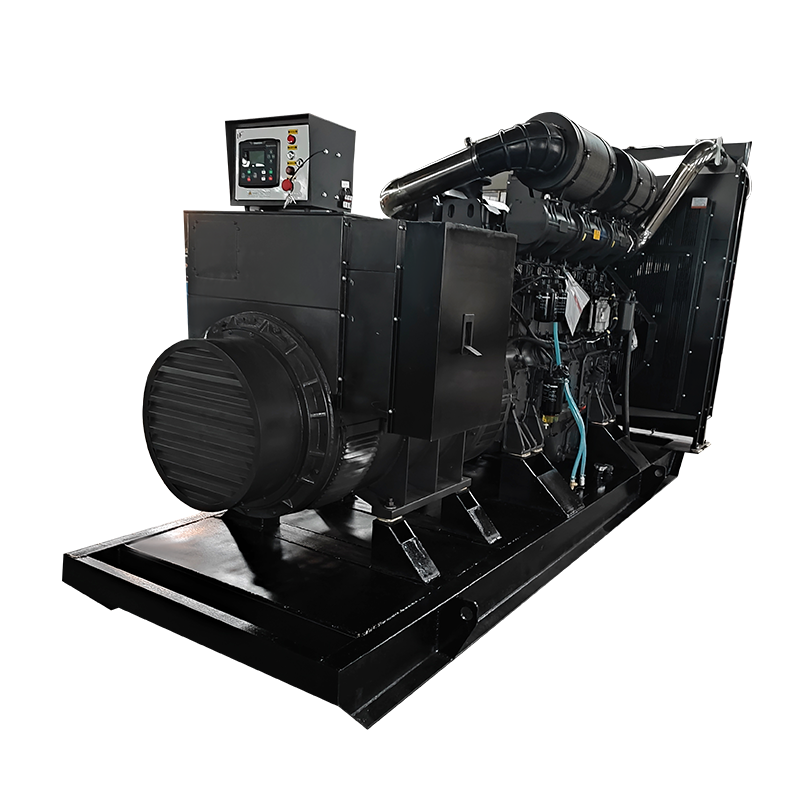
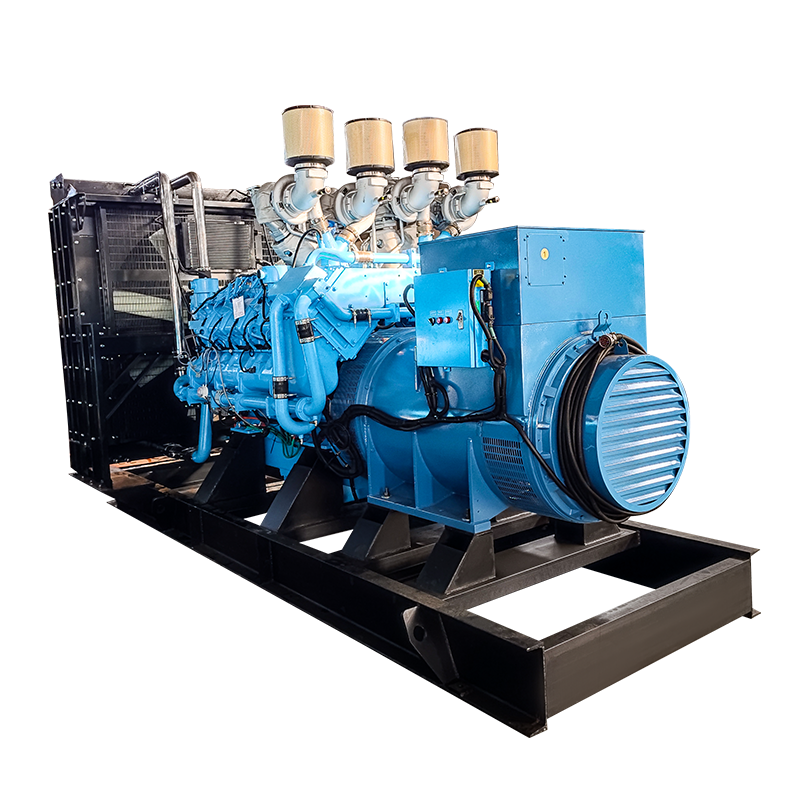 1320 kW Chongqing Pangu Diesel Generator SetA 1,320 kW Pangu QTA10V-EG1670D set with Kangcheng alternator, a base-unit option for paralleled plants serving heavy industrial islands and long outages.View Product →
For long outages and motor-heavy loads, yes — it is the most cost-effective way to hold a site up for days. What it cannot do is bridge the first seconds, so sensitive loads need a UPS or a small battery to cover the transfer window.
Common practice is 24–72 hours at critical load, with the higher end for remote sites and regions where roads close during storms. Beyond that, a tested refuelling contract is usually cheaper than extra tank capacity and its maintenance burden.
Only when outages are short and predictable. A battery sized for four hours of critical load is not a plan for a two-day regional event, particularly in winter when PV yield drops at the same time as heating demand peaks.
Reliability comes from the specification, not the datasheet. Start with measured critical loads, size the dispatchable plant to 50–80% loading with a genuine N+1 margin, hold enough fuel for the realistic outage, and test the full sequence — transfer switch included — under load every month.
That discipline is also what keeps the numbers honest as a facility changes; review the critical load list annually and the microgrid keeps doing the job it was bought for. For existing generator fleets, the engine families and power ranges can be reviewed in our generator set product range, which spans 7 kW to 2,500 kW.
Engineering Support Beyond the Generator

Whether you need standard generator sets or have complex engineering projects, our team can provide you with professional support.
Recommended
Experienced staff and experts are always available to provide you with professional guidance and solutions to technical problems.