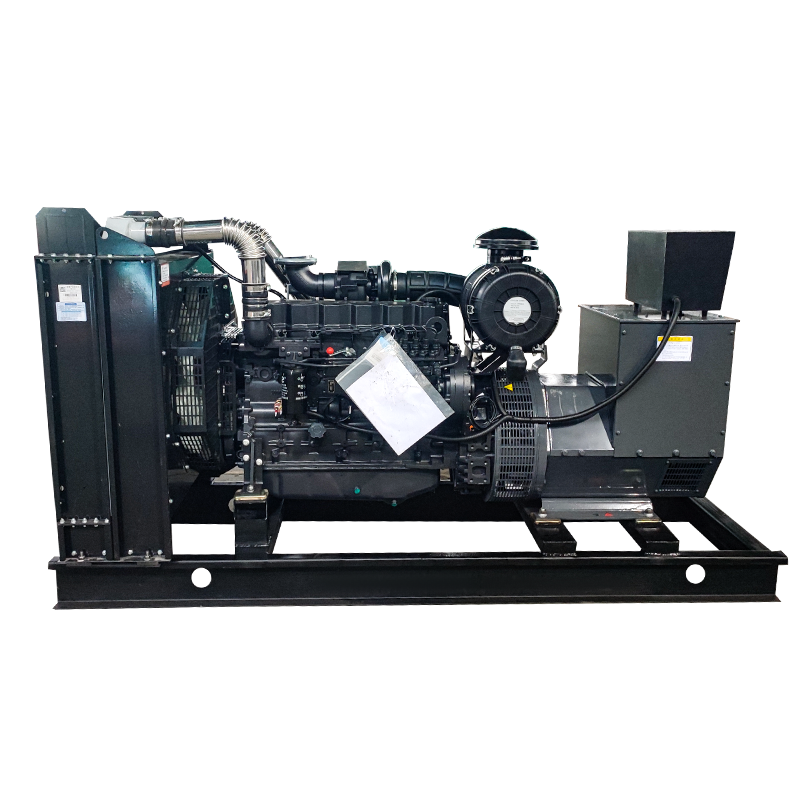
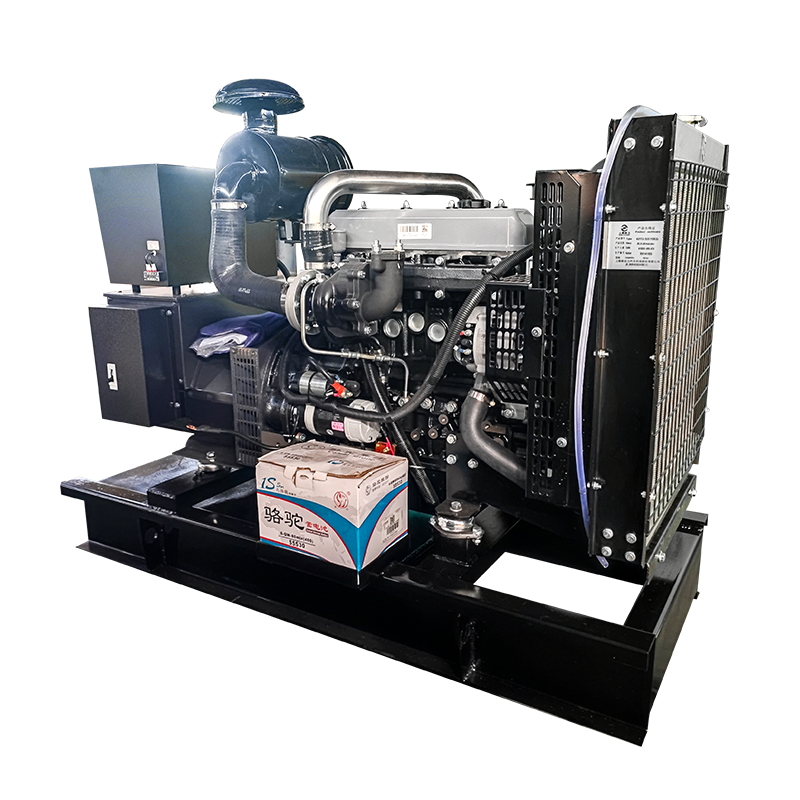
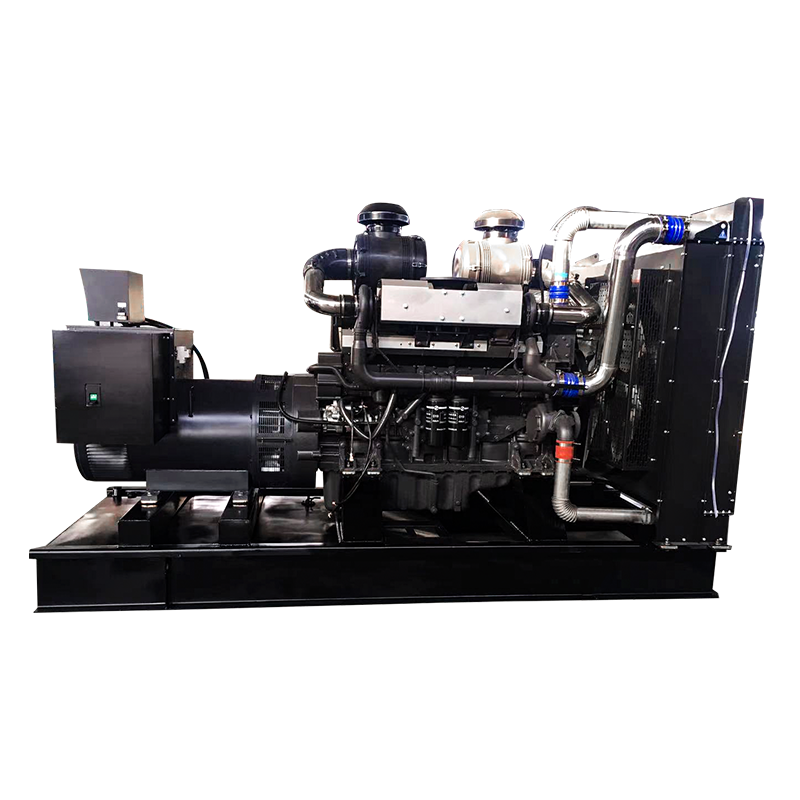
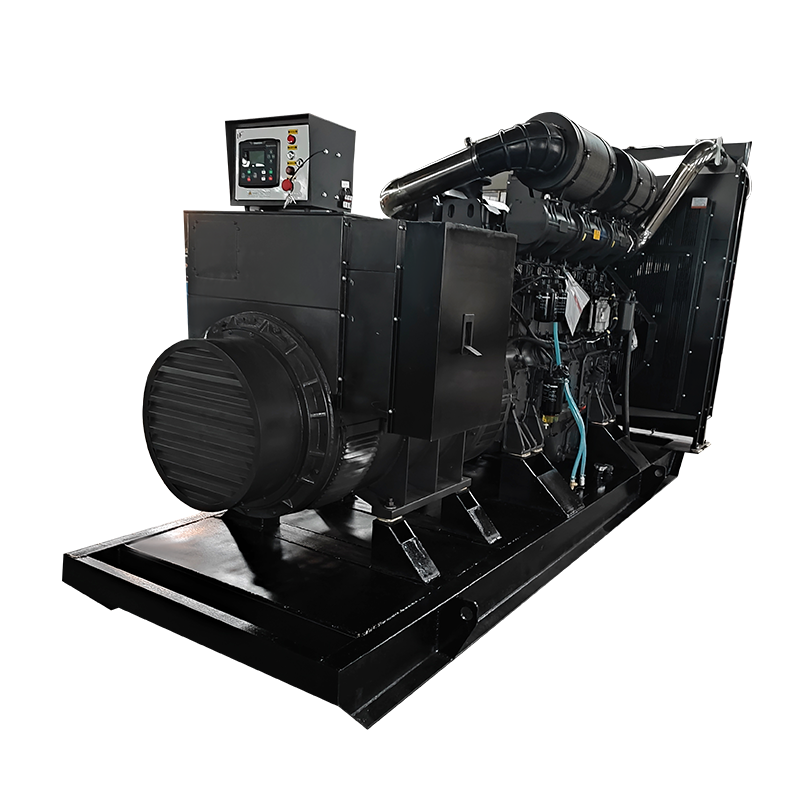
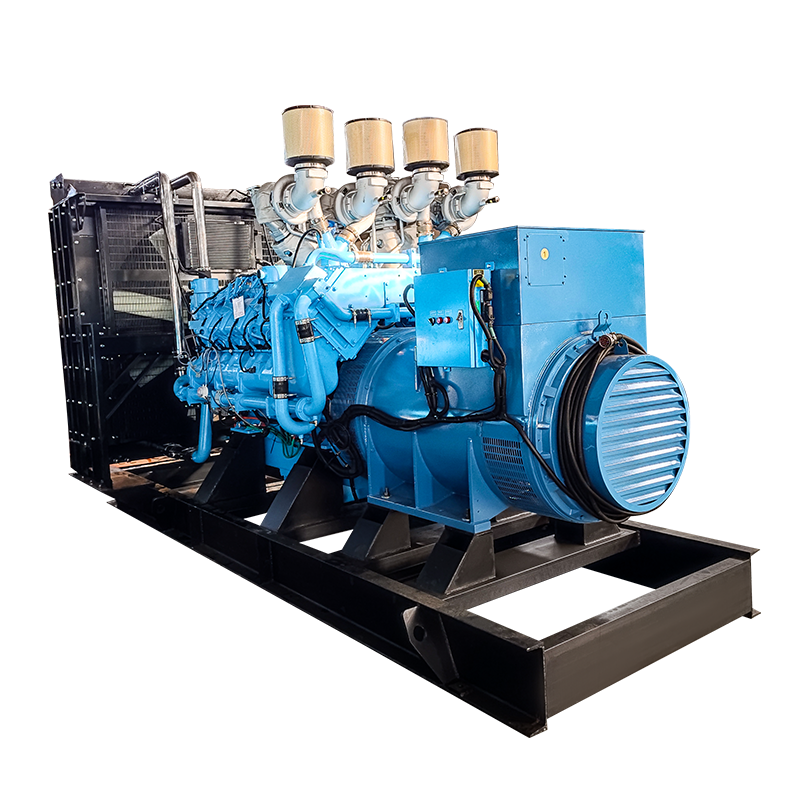
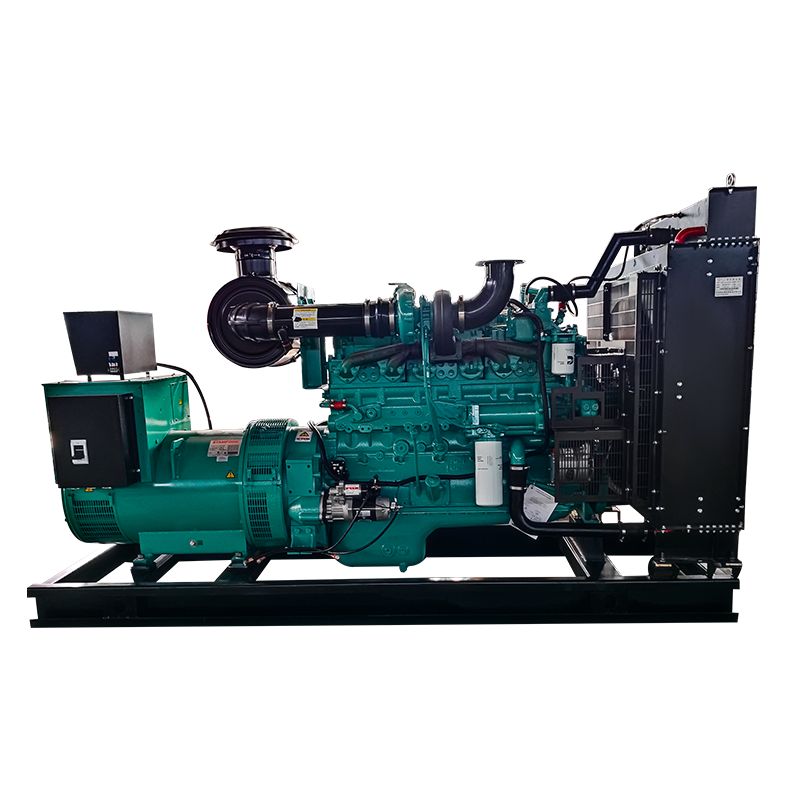
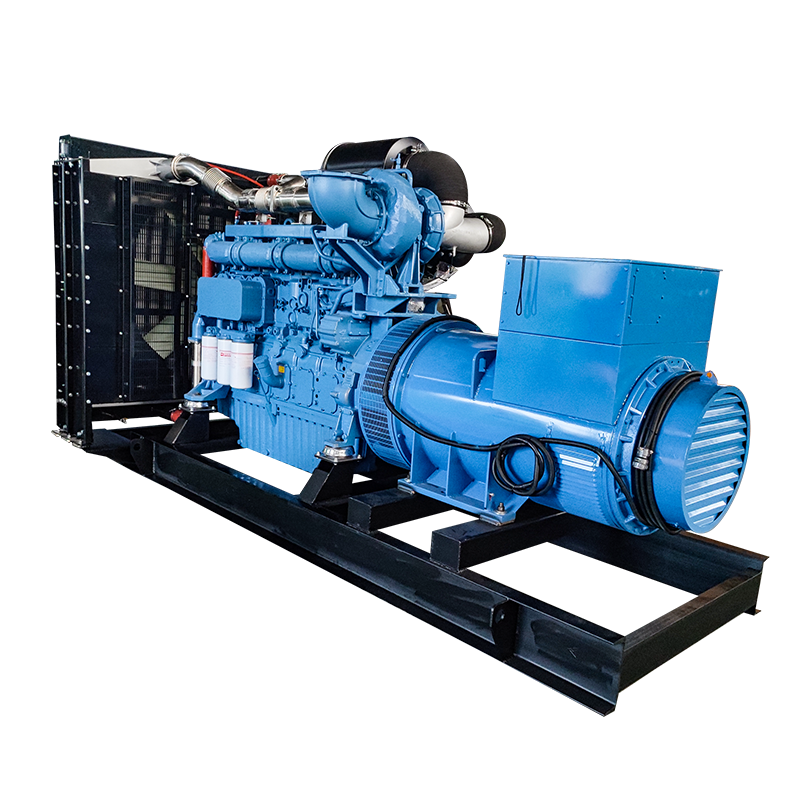

As China 150KW Shanghai diesel engine generator set Manufacturers and OEM 150KW Shanghai diesel engine generator set Company, Yangzhou Kangcheng Power Equipment Co., Ltd. founded in 2003, our enterprise is located in Jiangdu District, Yangzhou, a famous historical and cultural city. It borders the Beijing-Shanghai Expressway to the east, the Nanjing-Nantong Expressway to the south, and the North Jiangdu Exit of the Yangzhou-Liyang Expressway to the north, enjoying convenient transportation access.
Our company specializes in the production of generators and diesel generator sets. Since its establishment, we have remained a qualified manufacturer inspected and certified by the National Internal Combustion Engine Generator Set Quality Supervision and Inspection Center. Our Kangcheng diesel generator sets, ranging from 7KW to 2500KW, adopt world-renowned brand engines including MAN, MTU, Perkins (Rolls-Royce), CUMMINS, IVECO, VOLVO, as well as domestic mainstream engines such as Shanghai Diesel Engine, Weichai Power and Yuchai. They are matched with alternators from Stamford, Marathon, Siemens and other well-known domestic brands.
Our products have passed the inspection of the National Internal Combustion Engine Generator Set Quality Supervision and Inspection Center, and obtained certifications of ISO9001 International Quality Management System and ISO14000 Environmental Management System. We also hold the rights to self-operated import and export, network access qualification from the Ministry of Industry and Information Technology, and network access qualification from the National Radio, Film and Television Administration.
Through the joint efforts of all staff and sustainable development, our company has grown into an integrated enterprise integrating engineering design, marketing, equipment installation, environmental noise reduction and technical services. Adhering to the principle of mutual benefit and win-win results for many years, we have maintained trade and cooperative relations with customers at home and abroad. Convenient transportation networks, advanced production equipment and sound management systems guarantee product quality and drive the rapid and sound development of the company.
We design and manufacture land-use diesel generator sets of various specifications and models. Our products are widely applied in highways, railways, mining operations, industrial enterprises, airports and other fields, providing primary power supply and emergency standby power supply for users in various industries. Our nationwide sales network and after-sales service team cover the whole country. We are committed to serving customers worldwide with high-quality products, rigorous management and thoughtful services.


At 2:14 a.m., a cold-storage controller reboots twice, a conveyor motor growls, and the lights dim but do not go out. That is often brownout electricity: the grid is still energiz...
READ MORE