Yangzhou Kangcheng Power Equipment Co., Ltd.
Wholesale genset diesel generator Manufacturer2026-06-04
Content
Selecting a diesel generator set follows a three-step decision framework: first, calculate total power requirements based on load types and reserve a 25% margin; second, determine the unit type based on application scenarios (silent, mobile, or containerized); third, match the engine brand to your budget and reliability requirements. For power ranges from 7kW to 2500kW, Yangzhou Kangcheng Power Equipment Co., Ltd. offers comprehensive solutions covering diverse needs from residential backup to large-scale industrial projects.
Diesel generator sets serve as the backbone of industrial power assurance, and their selection process directly impacts the reliability and cost-effectiveness of the entire power supply system. Founded in 2003, Yangzhou Kangcheng Power Equipment Co., Ltd. specializes in the research and manufacturing of diesel generator sets ranging from 7kW to 2500kW. The company's products have passed qualified inspection by the National Internal Combustion Engine Generator Set Quality Supervision and Inspection Center, and hold ISO9001 International Quality Management System certification and ISO14000 Environmental Management System certification. Drawing on two decades of industry experience, this article systematically outlines the critical dimensions of diesel generator selection.
The primary factor in selection decisions is power calculation. Users must distinguish between resistive and inductive loads: resistive loads such as lighting and heating equipment are calculated at rated power; inductive loads such as motors and air conditioners require consideration of starting current, typically 3 to 5 times the rated power. After summing all equipment power, add a 20% to 30% power margin to avoid continuous full-load operation. For a total load of 100kW, a generator set with rated power of 125kW to 130kW is recommended.
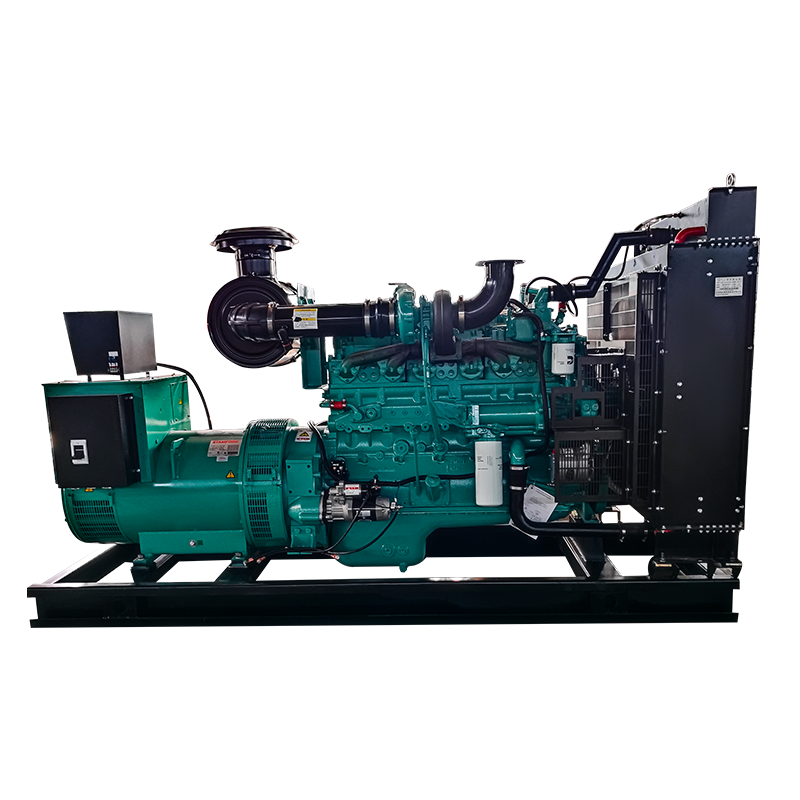
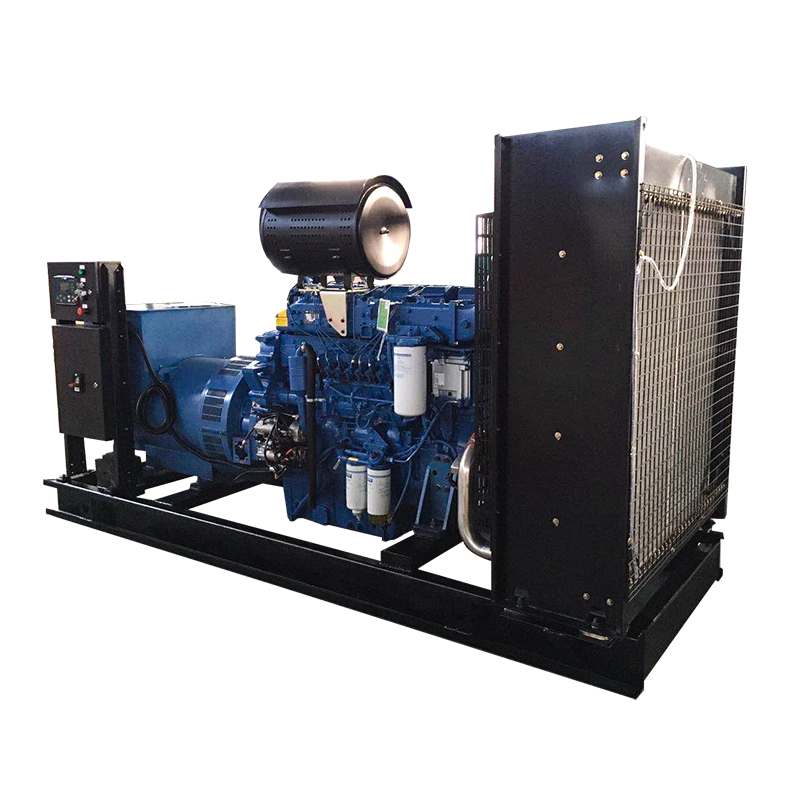
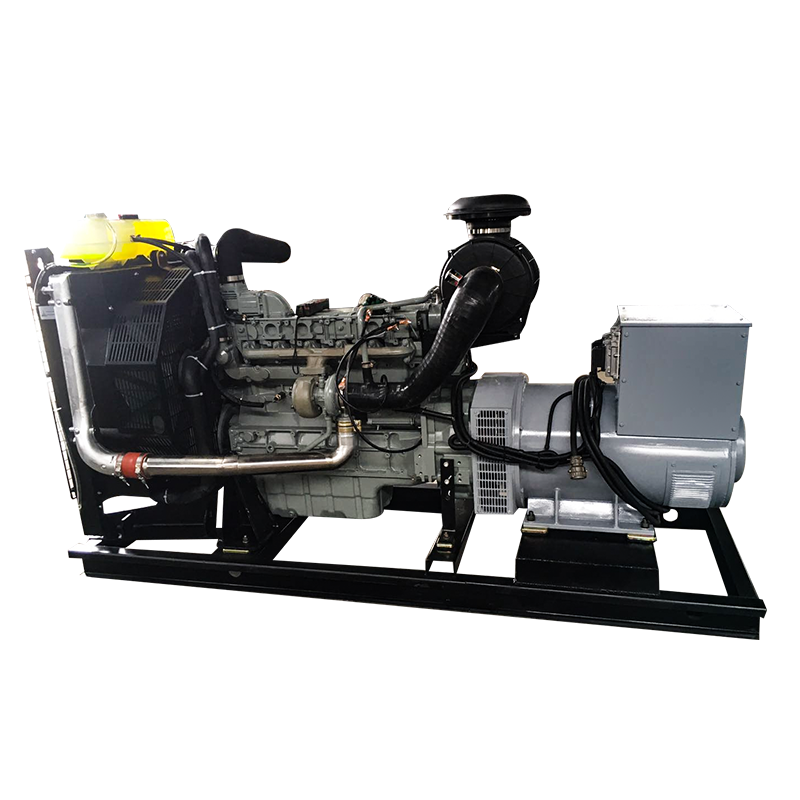
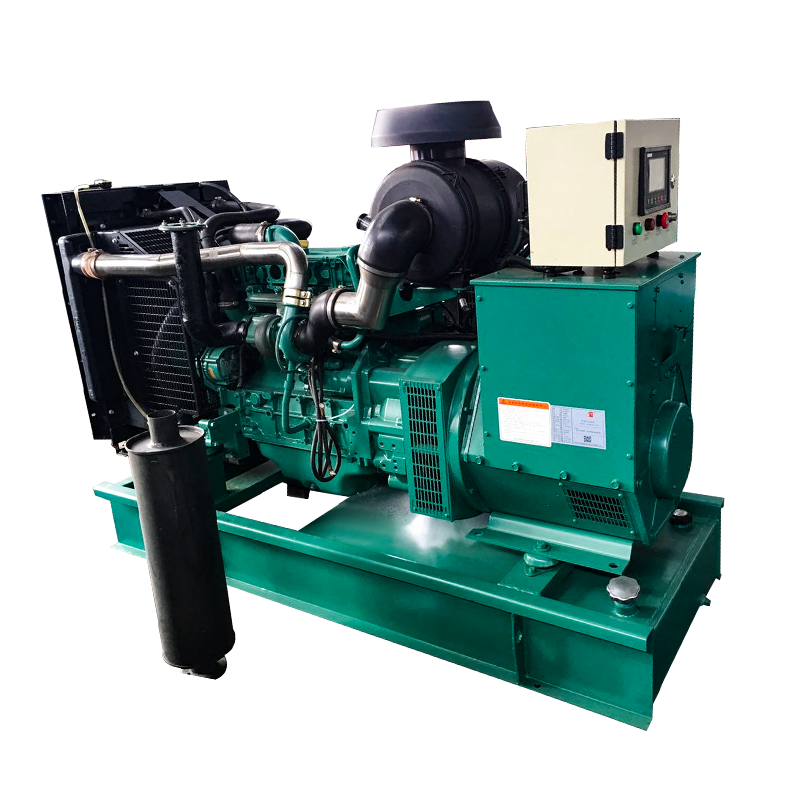
Yangzhou Kangcheng Power Equipment Co., Ltd. produces land-use diesel generator sets in various specifications, including silent generators, mobile generators, and containerized generators. Each type is optimized for specific application scenarios.
| Unit Type | Power Range | Key Features | Applicable Scenarios |
|---|---|---|---|
| Silent Generator Set | 7kW - 2500kW | Soundproof enclosure, low operating noise | Urban buildings, hospitals, schools, residential areas |
| Mobile Generator Set | 7kW - 1000kW | Trailer or mobile chassis mounting, rapid deployment | Road construction, emergency rescue, temporary events |
| Containerized Generator Set | 500kW - 2500kW | Standard container integration, high protection level | Large engineering projects, mining operations, data centers |
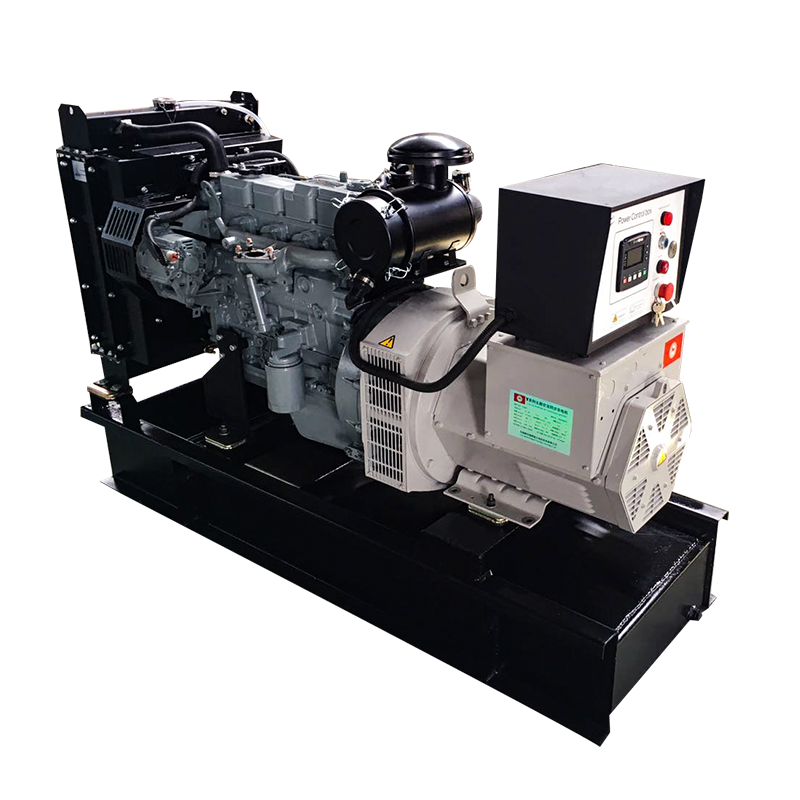
| Open-Type Generator Set | 7kW - 2500kW | Simple structure, excellent heat dissipation, easy maintenance | Factory workshops, generator rooms, outdoor fixed installations |
| Household Backup Generator | 7kW - 50kW | Compact size, configurable with Automatic Transfer Switch | Villas, residences, small commercial shops |
The choice of engine brand directly affects unit failure rates, parts compatibility, and after-sales service response speed. Yangzhou Kangcheng Power Equipment Co., Ltd. adopts engines from multiple renowned brands, including international brands and domestic mainstream engines, with all generator sets matched to well-known brand alternators to ensure product performance and reliability.
For users prioritizing extremely low failure rates and strong parts universality, brands with mature technology and comprehensive global service networks are recommended. For budget-conscious users emphasizing responsive local service, brands offering competitive pricing and convenient after-sales support are suitable. Regardless of brand selection, verify that the manufacturer holds self-operated import and export rights, Ministry of Industry and Information Technology network access qualifications, and National Radio, Film and Television Administration network access qualifications.
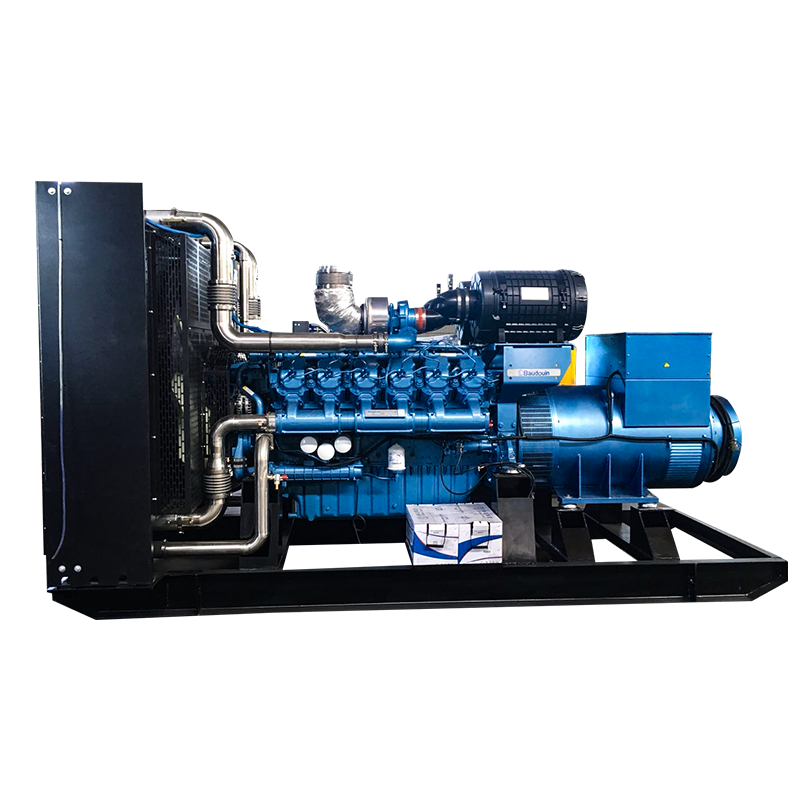
Mining environments are typically located in remote areas with weak grid coverage, requiring high-power diesel generator sets as primary power sources for continuous operation. Silent or containerized generator sets from 800kW to 1500kW can meet the power demands of large mining sites while providing stable electricity for crushing equipment, ventilation systems, and living quarters. Such scenarios require units with altitude derating capabilities and dust-proof designs.
Power supply continuity in data centers directly relates to data security and business operations. These scenarios typically adopt N+1 or 2N redundancy configurations, where primary and standby generator sets remain on standby simultaneously to ensure no single point of failure can cause power interruption. Generator sets must feature rapid start capability, typically reaching rated speed and stable output within 10 seconds, and parallel operation functionality for load balancing.
Operating rooms, intensive care units, and emergency equipment cannot tolerate any power interruption risk. Such applications require generator sets with extremely high reliability, typically configured with dual start systems, independent fuel supply, and 24-hour monitoring and alarm functions. An Automatic Transfer Switch (ATS) is mandatory, ensuring the generator set can automatically assume the load within 10 to 15 seconds after grid failure.
For unmanned operation scenarios, automatic start and automatic transfer functions (ATS) are strongly recommended. When grid power fails, the ATS automatically starts the generator and switches the load to generator power once stable; when grid power returns, the ATS automatically transfers the load back to grid power and stops the generator. The entire process requires no manual intervention, making it particularly suitable for unmanned or nighttime outage scenarios.
Operating environment significantly impacts generator set power output. Increased altitude, elevated ambient temperature, higher humidity, and increased dust concentration all cause power derating. When operating in high-altitude areas (above 1000 meters) or high-temperature environments (above 40 degrees Celsius), consult the manufacturer for appropriate derating calculations or special protection configurations.
| Maintenance Item | Recommended Interval | Main Content |
|---|---|---|
| Daily Inspection | Daily or before each operation | Check fuel, oil, and coolant levels; check battery voltage; confirm no abnormal leaks |
| Regular Operation Test | Weekly or bi-weekly | No-load operation for 15 to 30 minutes to ensure start and lubrication systems function properly |
| Oil Change | Every 250 operating hours or every 6 months | Replace engine oil and oil filter using manufacturer-specified oil grades |
| Fuel System Maintenance | Every 500 operating hours or annually | Clean or replace fuel filters, inspect injector condition, drain water from fuel tank |
| Cooling System Check | Every 1000 operating hours or annually | Check coolant concentration and level, clean radiator surface, inspect water pump and fan |
| Battery Maintenance | Every 3 months | Check electrolyte level and specific gravity, clean terminal connections, measure voltage and internal resistance |
| Annual Comprehensive Inspection | Annually or every 2000 operating hours | Comprehensive inspection of engine, generator, and control system; load testing; calibration of protection devices |
As awareness of residential power reliability increases, household backup generators and portable generators have become significant growth areas in the civilian market. These products typically range from 5kW to 20kW in power, feature compact dimensions and simple operation, and can provide emergency power for critical household loads including lighting, refrigerators, air conditioning, and medical equipment during outages.
Household applications primarily serve three purposes: responding to grid interruptions caused by natural disasters such as typhoons and heavy rain; providing daily electricity for remote areas or regions without grid coverage; serving as backup power configurations for villas and high-end residences. For household users requiring long-term standby power, silent diesel generator sets are recommended. Although the initial investment is higher, these units offer lower operating costs, longer maintenance intervals, and higher safety.
Multiple generator sets can achieve synchronous parallel operation through parallel cabinets to jointly share the load or provide redundant backup. Parallel operation requires consistent voltage, frequency, phase, and phase sequence, along with dedicated parallel control systems. For scenarios where power demand may grow, reserve parallel interfaces to facilitate future expansion by adding units without replacing existing equipment.
Yangzhou Kangcheng Power Equipment Co., Ltd. can provide parallel operation solution design and supporting equipment for customers, covering complete solutions from two-unit parallel operation to multi-unit group control. Parallel systems are particularly suitable for large commercial complexes, industrial parks, and distributed energy stations.
Based on the comprehensive analysis above, diesel generator set selection can be summarized in the following checklist:
Yangzhou Kangcheng Power Equipment Co., Ltd. has developed into an integrated enterprise encompassing engineering design, marketing, equipment installation, environmental noise reduction, and technical services. The company has established a nationwide sales network and after-sales service team, committed to serving global customers with high-quality products, rigorous management, and thoughtful services.
Engineering Support Beyond the Generator

Whether you need standard generator sets or have complex engineering projects, our team can provide you with professional support.
Recommended
Experienced staff and experts are always available to provide you with professional guidance and solutions to technical problems.