Yangzhou Kangcheng Power Equipment Co., Ltd.
Wholesale genset diesel generator Manufacturer2026-09-25
Content
A 250 kW set ordered for a garment factory near Dhaka, a 30 kW unit keeping a rural telecom cabinet alive through daily outages, and a 400 kW machine standing behind a hospital's operating theatres: three very different jobs, one shared badge, the Dongfeng Cummins generator set.
The conclusion first. What you are buying is a Cummins-designed engine built in China by Dongfeng Cummins Engine Company, bolted to an alternator, a controller and a frame that the assembler chooses. The engine is the predictable part, with a wide parts network and a well-documented fuel curve. The parts around it are where two quotations for the same 250 kW machine can differ by 30%.
This guide explains which DCEC engine families end up in generator sets, how to size one for prime or standby duty, which options move the price, and which procurement checks protect your project.
DCEC is a joint venture between Dongfeng Motor and Cummins, with its engine plant in Xiangyang, Hubei Province. It builds Cummins-designed B, C, L and Z series engines for trucks and off-highway equipment, and the generator-drive versions of those engines are what end up in a genset. In standby terms, the DCEC range in generator service runs from roughly 24 kW to about 440 kW, in both 50 Hz and 60 Hz builds.
Because the engine arrives as a complete G-drive assembly with flywheel housing, SAE flange, governor and fuel system, the assembler's real work is matching it to a radiator, alternator, base frame and control panel. That is also where quality separates. A well-matched set holds voltage and frequency through a step load; a poorly matched one hunts, smokes at light load and overheats in summer.
| Rating | DCEC engine family | Layout | Typical duty |
|---|---|---|---|
| 30 kW | B3.9 | 4-cylinder, 3.9 L | Telecom cabinets, small workshops, single-load backup |
| 132 kW | B5.9 / B6.7 | 6-cylinder, 5.9 to 6.7 L | Farms, retail sites, small factories |
| 250 kW | C8.3 / L8.9 | 6-cylinder, 8.3 to 8.9 L | Production plants, hotels, cold storage |
| 400 kW | Z13 | 6-cylinder, about 13 L | Hospitals, data rooms, construction sites |
The small ratings are the ones most often mis-ordered. A 30 kW set carrying a 22 kW load with a large direct-on-line motor will still trip on start, because starting current, not running load, decides the trip.
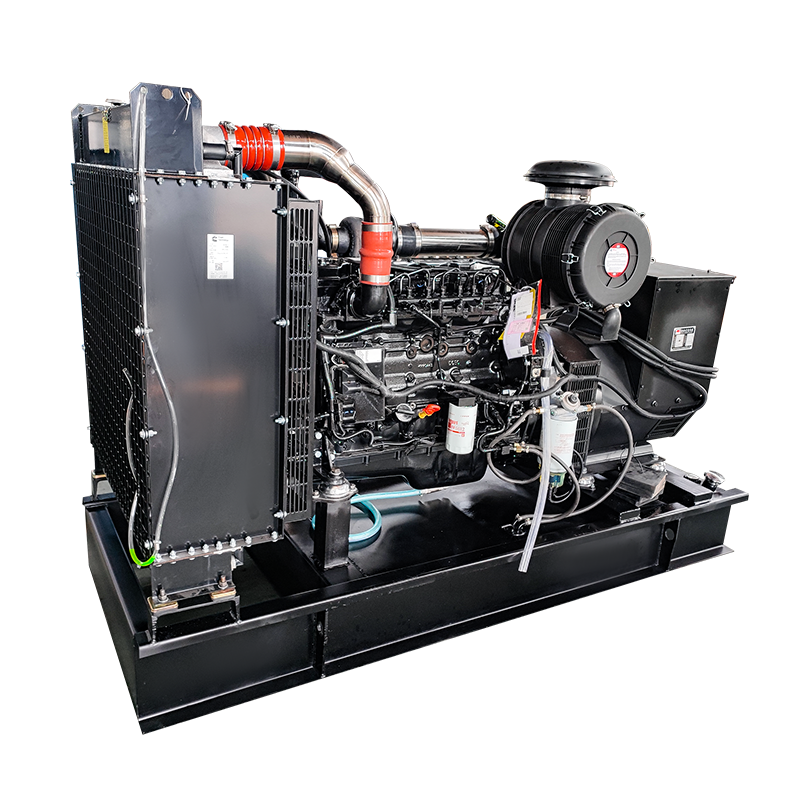
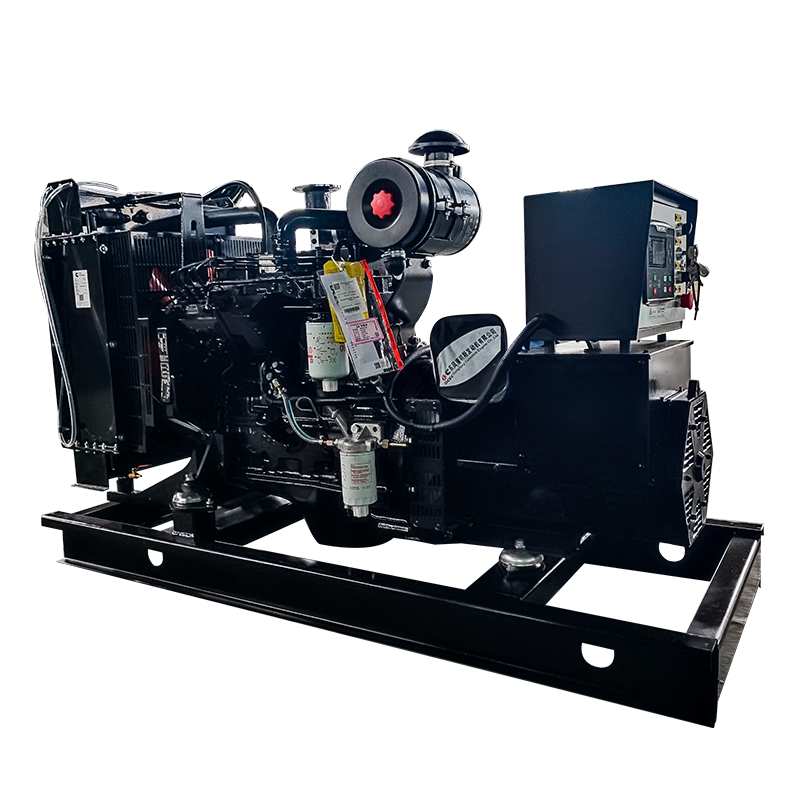 30KW Dongfeng cummins generator setDurability: The 30KW Dongfeng Cummins generator set is equipped with a highly reliable Type B engine. The generator set features a compact and well-organized structure...View Product →
ISO 8528 defines several ratings, and the same engine can carry two different numbers. A standby, or emergency, rating allows limited hours at variable load with no overload. A prime rating allows unlimited hours with a 10% overload for one hour in twelve. A set sold as 250 kW is often a 250 kW standby machine whose prime figure is closer to 225 kW.
Two rules keep a set healthy:
Altitude and heat reduce output too. Expect roughly 1% power loss per 100 m above 1,000 m and about 2% per 5 degrees Celsius above 40 degrees, with the exact curve taken from the engine datasheet. A 400 kW set specified for a hot, high-altitude site can behave like a 360 kW machine, which is why we work through the selection guide with every buyer before a quotation is issued.
Fuel used per kWh against engine load (index, 100 = best point)
Indicative diesel genset curve; exact figures depend on engine family and build.
The DCEC range covers the middle of the market well: standby power for clinics and hospitals, retail and commercial buildings, hotels, cold storage, pumping stations, telecom sites on weak grids, and construction or rental fleets whose mechanics already know Cummins engines.
Two situations call for a different answer. Where power runs continuously and fuel cost dominates over thousands of hours, compare a gas or larger medium-speed unit before committing. And above roughly 450 kW, the higher-power Cummins families built by Chongqing Cummins take over from the Dongfeng range.
For a 250 kW requirement covering a plant, a hotel or a cold store, the work usually sits in specification rather than brand: correct derating margin, a canopy that meets the local noise limit, and a controller the site electrician can read.
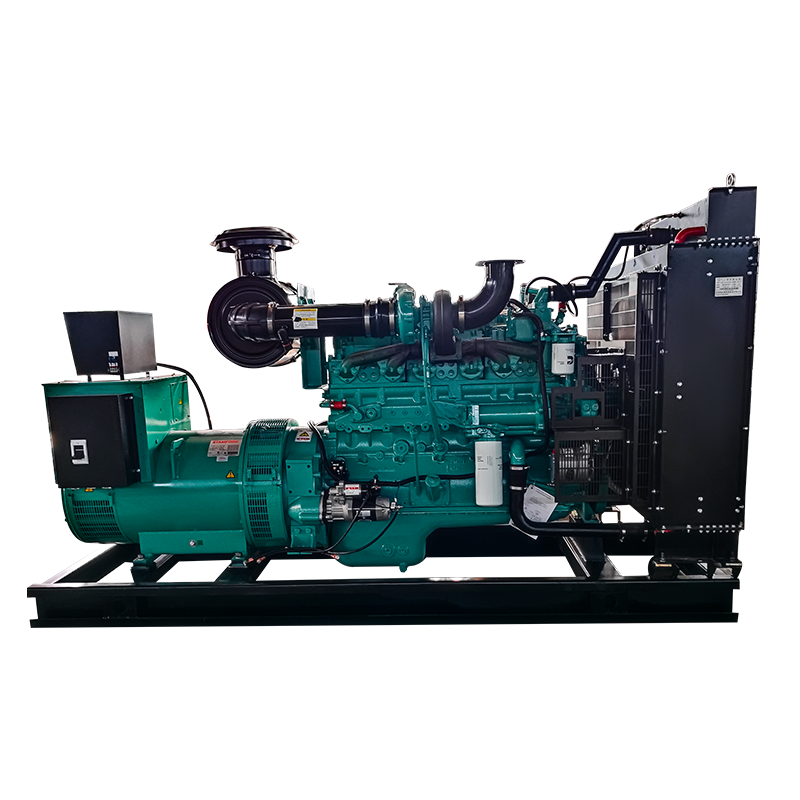
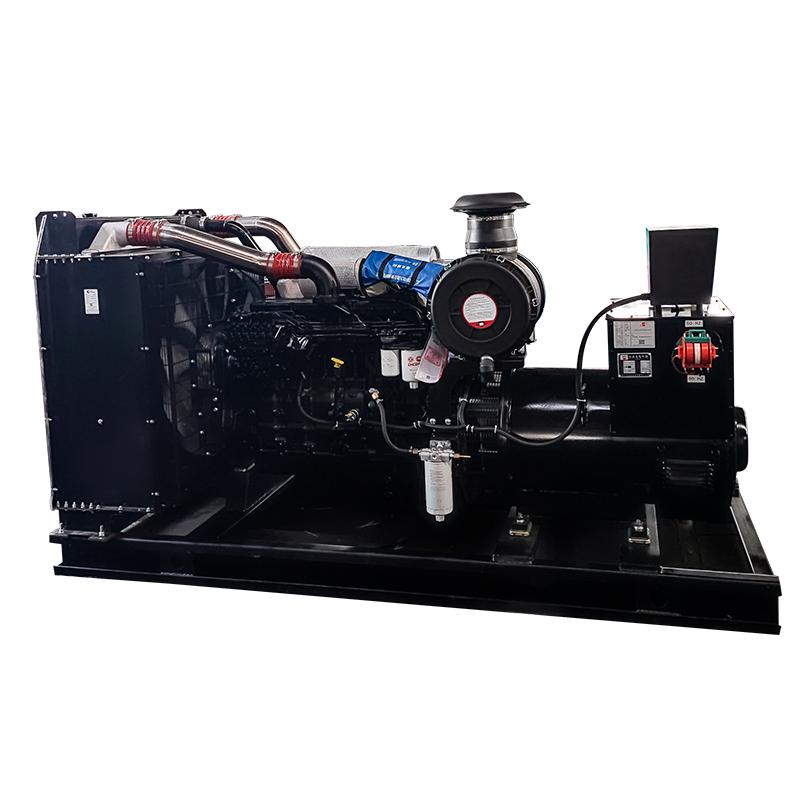 250KW Dongfeng cummins generator setDurability: The 250KW Dongfeng Cummins generator set is built on a mature platform technology that has been extensively validated in the market. Its product stability ...View Product →
With the engine fixed, the quotation varies with everything around it. Five decisions matter most:
The chart below shows where the money goes on a typical mid-range set: the engine is the largest single line, but the parts around it add up to more than half the purchase price.
Indicative cost structure of a mid-range set
Indicative shares for budgeting only, not a quotation.
Before signing, ask for these points in writing:
For telecom and broadcast projects, request the network access credentials that the client's compliance team will ask for, ideally before the order rather than after delivery.
Yangzhou Kangcheng Power Equipment Co., Ltd., trading as KC POWER, has assembled diesel generating sets in Jiangdu, Yangzhou since 2003. The catalogue runs from 7 kW to 2,500 kW and is organised by engine brand: Dongfeng Cummins at 30, 132, 250 and 400 kW, alongside Chongqing Cummins, Shanghai Diesel, Yuchai, Weichai, Deutz and Chongqing Pangu ranges. Alternators come from Stamford, Marathon, Siemens and other suppliers, so the same DCEC engine can be delivered in several price bands.
The company states that its sets have been inspected by the national internal combustion engine generating set quality supervision and inspection centre since it was founded, and that it holds ISO 9001 and ISO 14000 certification, independent import and export rights, and network access qualifications from the Ministry of Industry and Information Technology and the National Radio and Television Administration. Those last two are the ones telecom and broadcast buyers need on file.
Because the works sit close to several expressways in Jiangsu, freight for a multi-tonne set stays predictable, and the English and Russian site versions keep quotations and manuals readable for export buyers.
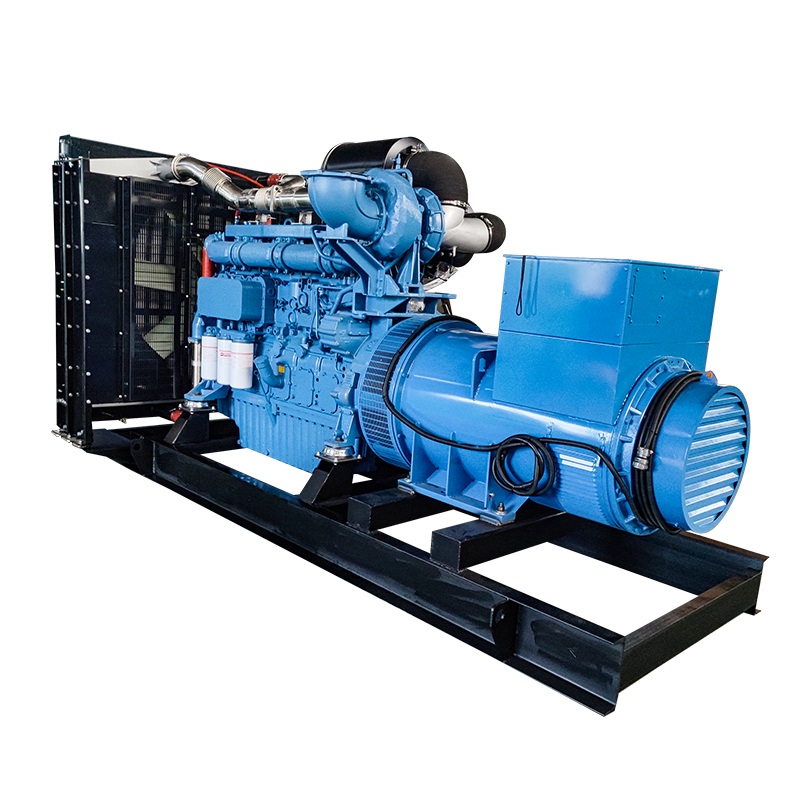
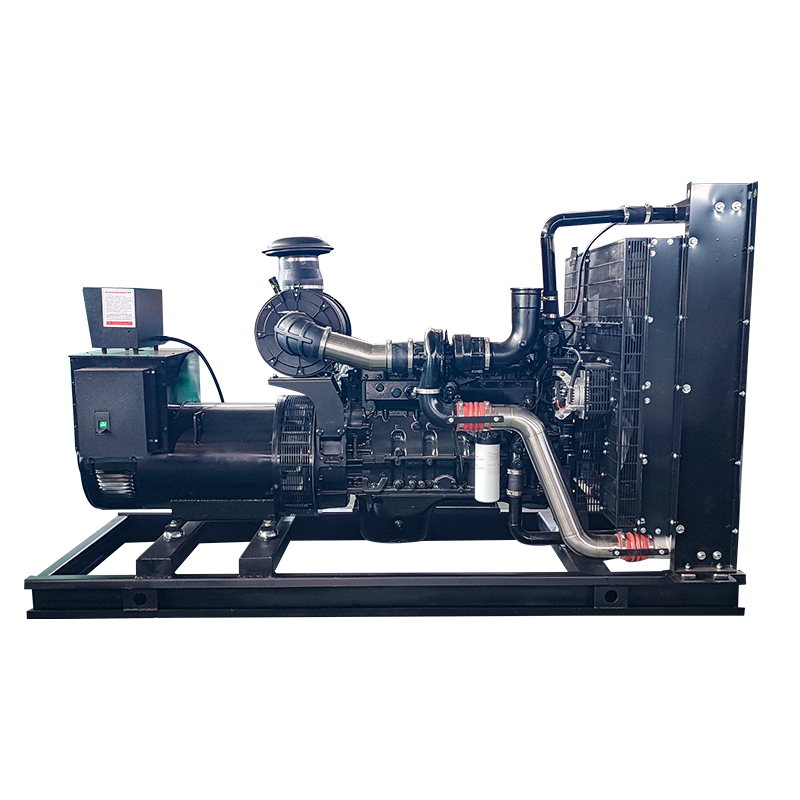 400KW Dongfeng cummins generator setDurability: The 400KW Dongfeng Cummins generator set is based on the advanced QS platform architecture. It features high system integration, a scientifically optimized...View Product →
No. Cummins describes the engine. The complete set, including alternator, controller, canopy and base frame, is assembled by a generator manufacturer, which is why two quotations for a Cummins-powered set can differ so much.
Dongfeng Cummins covers the B, C, L and Z families up to roughly 440 kW. Chongqing Cummins builds the larger N and K families, so requirements above about 450 kW usually move there.
Yes. DCEC builds both 50 Hz and 60 Hz generator-drive variants, which matters if the machine is destined for a 60 Hz market.
Typically an oil and filter change every 250 to 500 hours, depending on fuel quality and load profile. Sets that spend most of their life below 50% load need the shorter interval.
Before comparing prices, gather four numbers: the running load in kW, the largest motor and how it starts, the site altitude, and the highest ambient temperature. Those four decide the rating, the derating margin and the options worth paying for. Everything else is decoration.
Engineering Support Beyond the Generator

Whether you need standard generator sets or have complex engineering projects, our team can provide you with professional support.
Recommended
Experienced staff and experts are always available to provide you with professional guidance and solutions to technical problems.