Yangzhou Kangcheng Power Equipment Co., Ltd.
Wholesale genset diesel generator Manufacturer2026-09-18
Content
When a site loses grid power for a full shift, the difference between a planned outage and a costly shutdown often comes down to one machine: the diesel generator set. In many industrial, construction and telecom projects, a Deutz diesel generator is selected because the engine behind it combines European engineering with a proven record of high torque and moderate fuel consumption. But buying one is not just about choosing a brand; the model rating, supporting components and maintenance plan all determine whether the set will hold up when it is actually needed.
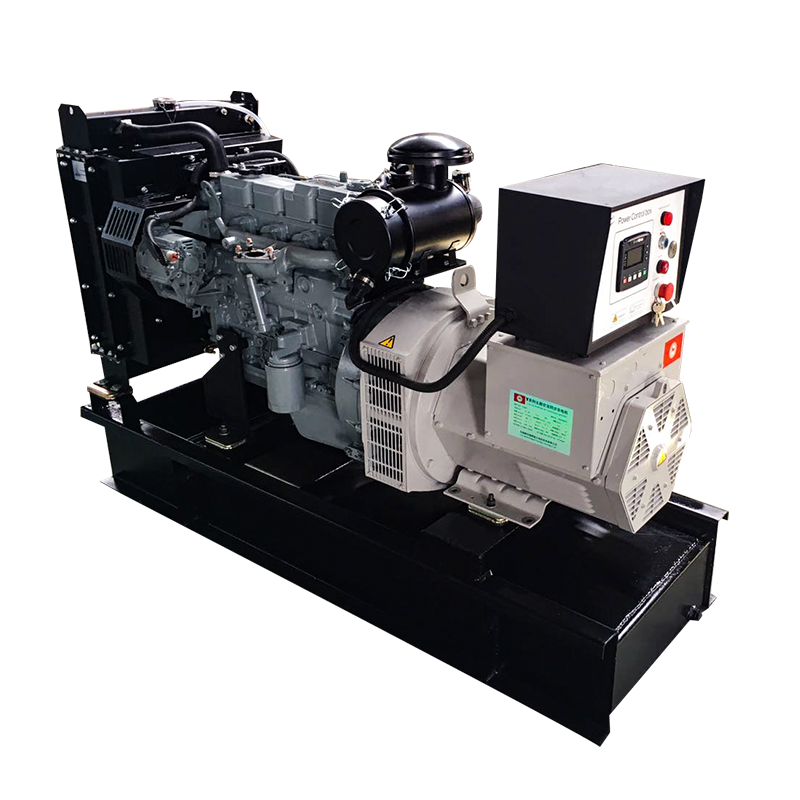
The starting point is to understand what you are buying. A Deutz diesel generator set is an integrated package that pairs a Deutz diesel engine with an alternator, control panel, base frame and cooling system. As a manufacturer, we build these packages around the specific voltage, frequency and load profile required on site. In the sections that follow, I will explain the main advantages of Deutz-driven sets, show you how to compare specifications, and point out the practical details that owners often overlook.
Deutz is one of the few engine manufacturers that has consistently offered both air-cooled and water-cooled inline engines for generator applications. Air-cooled designs remove the radiator, coolant hoses and water pump from the maintenance checklist, which is ideal for dusty environments. Water-cooled Deutz engines, on the other hand, provide quieter operation and more stable temperatures for continuous prime power.
In practical terms, the choice of cooling type affects installation space, heat rejection and service intervals. A compact air-cooled Deutz set is often used in containerised telecom shelters; a water-cooled unit is more common for factory floors where noise is controlled and running hours are long. The experienced specifier matches the cooling architecture to the site, rather than simply picking the lowest price.
The following details from our workshop explain why we offer Deutz generator sets in the 24-180 kW range: the engines have a good power-to-weight ratio, they accept full rated load in a short time, and replacement parts remain available through the global Deutz service network. For projects with precise monthly budgets, the predictable fuel consumption of the modern Deutz range also makes operating cost forecasts easier.
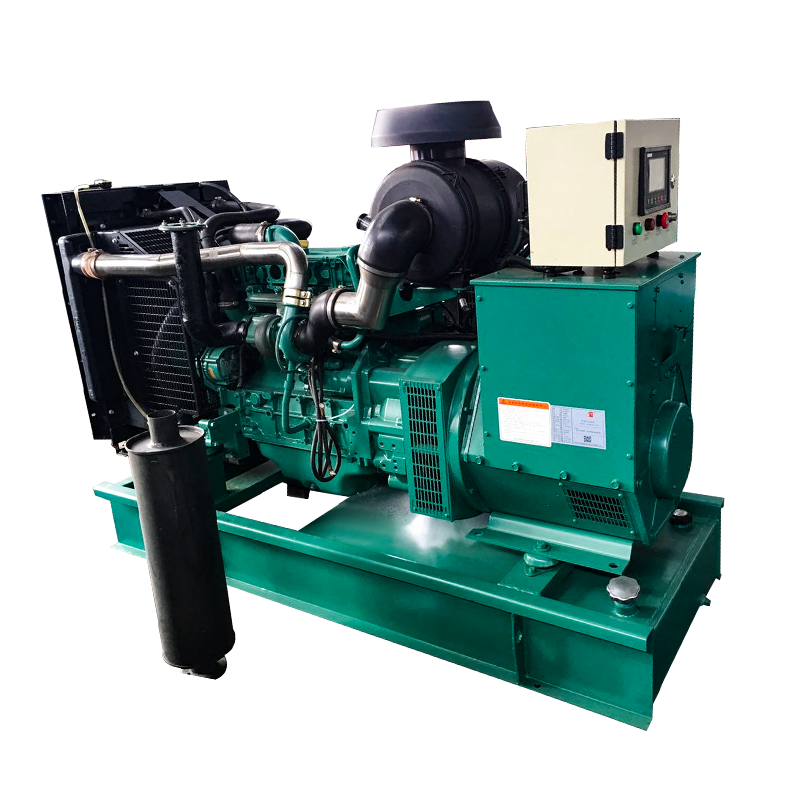 128 kW Deutz Generator Set with Single-Pump Engine DesignThis Deutz-powered 128 kW set uses a proven single-pump structure, offers low noise and compact layout, and suits projects needing reliable prime or standby power with easy maintenance and predictable fuel use.View Product →
Generator sets are not all rated the same way. A set that can produce 128 kW when standing by for a grid failure may only be allowed to produce 115.2 kW when running continuously as a prime power source. That distinction appears in the table below. It matters because an incorrectly specified unit will trip on overload during summer months, or conversely, sit underloaded and suffer from wet stacking.
| Generator set | Standby output (kW) | Prime output (kW) | Typical application |
|---|---|---|---|
| 24 kW Deutz set | 24 | 21.6 | Telecom shelter, small backup |
| 128 kW Deutz set | 128 | 115.2 | Construction tools, irrigation |
| 160 kW Deutz set | 160 | 144 | Factory machinery, warehouse |
| 180 kW Deutz set | 180 | 162 | HVAC-heavy buildings, data rooms |
Table values are indicative at a 0.8 power factor and should be verified against the order specification for altitude and temperature corrections. The distinction between standby and prime rating is the first thing we check when a customer asks for a “128 kW Deutz generator”. If the set is intended to cover grid outages only, a smaller package may suffice, but if it will run for hours every day, the prime rating becomes the real capacity limit.
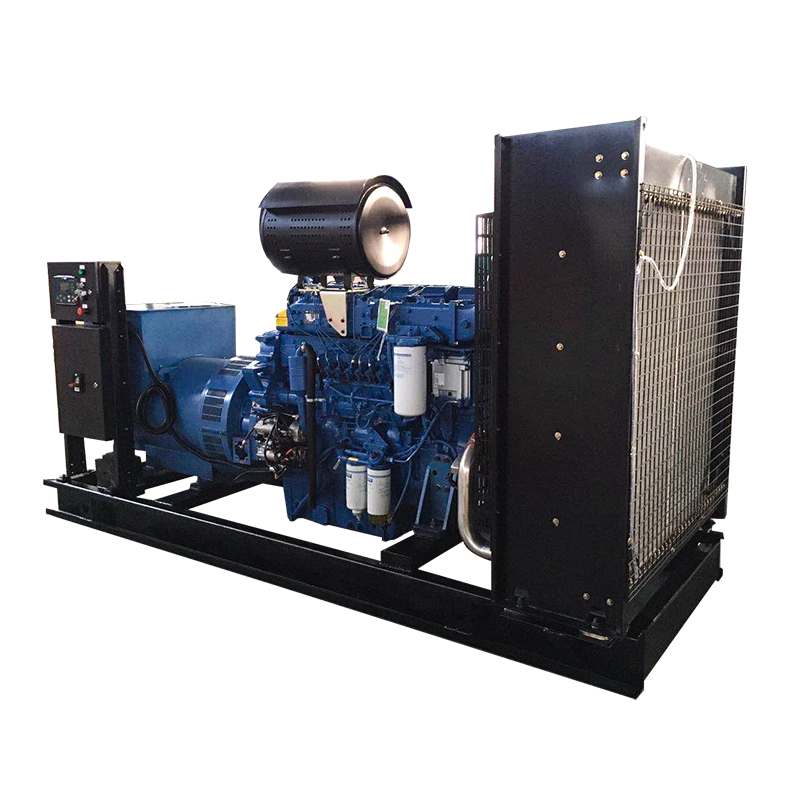
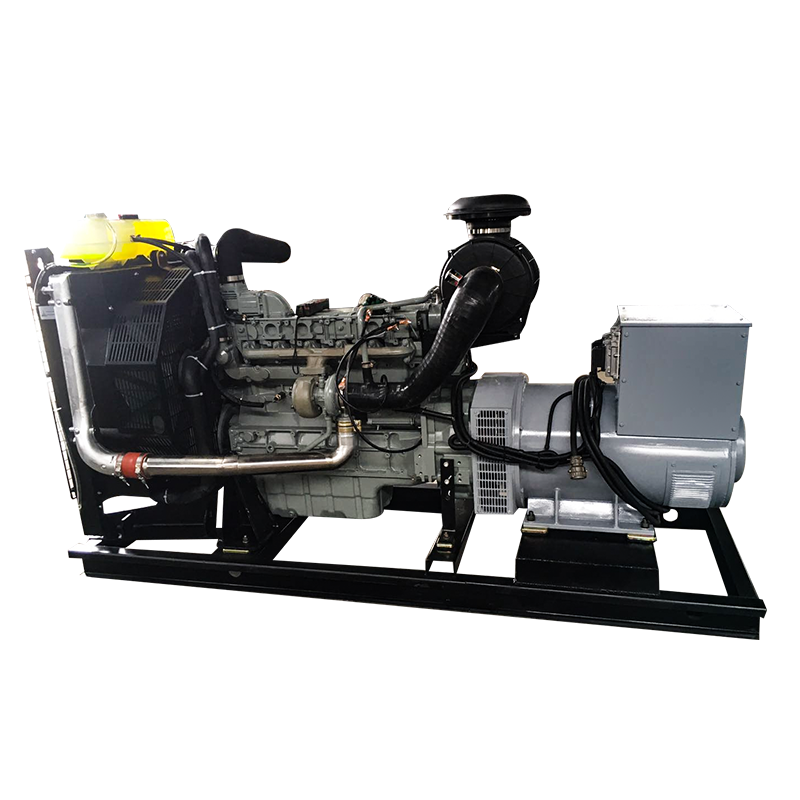 160 kW Deutz Generator Set for Continuous and Standby ApplicationsThis 160 kW Deutz set provides strong torque and stable output, built for demanding loads like motors and compressors. Its prime rating matters for daily use, making it a solid choice for variable power needs.View Product →
Selection starts with defining the maximum load in kilowatts, not the apparent power the salesman wants to quote. List every motor, heater, pump and lighting circuit that will run at the same time. Motors draw more during starting than they do at steady state; a compressed-air unit can demand 1.5 to 2 times its running current for a few seconds. If you ignore that inrush, the generator will sound fine until you switch on the air compressor, and then the voltage will collapse.
After calculating the starting load, apply a safety margin of at least 10% for future expansion. Then consider altitude and ambient temperature. Diesel engines lose output as air density drops; at 1000 metres above sea level, a naturally aspirated unit can lose roughly 2-3% per 500 metres. The control panel also needs to match the transfer switch logic and any remote monitoring system. Our step-by-step guide to selecting diesel generator sets covers these calculations in more detail, including examples for different site conditions.
A standby-rated set is allowed to operate at its maximum output only during a power outage, with limited running hours per year. A prime-rated set can supply power at full capacity for an unlimited number of hours, but with an average load lower than the prime value. If your operation requires continuous daily power, buy a prime-capable Deutz unit. If the generator is only for emergencies, a standby rating is usually the economic choice.
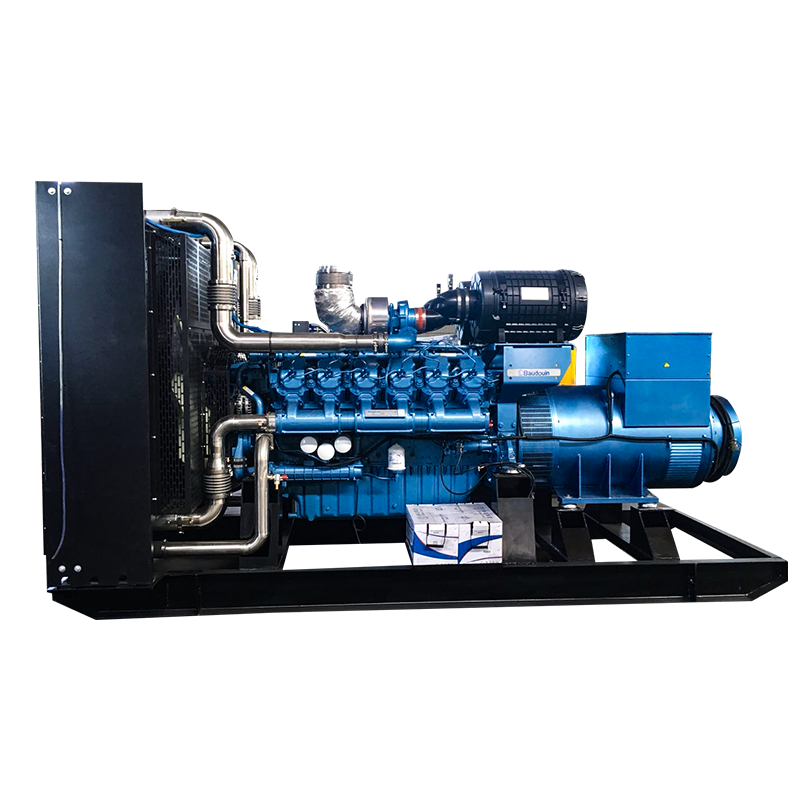
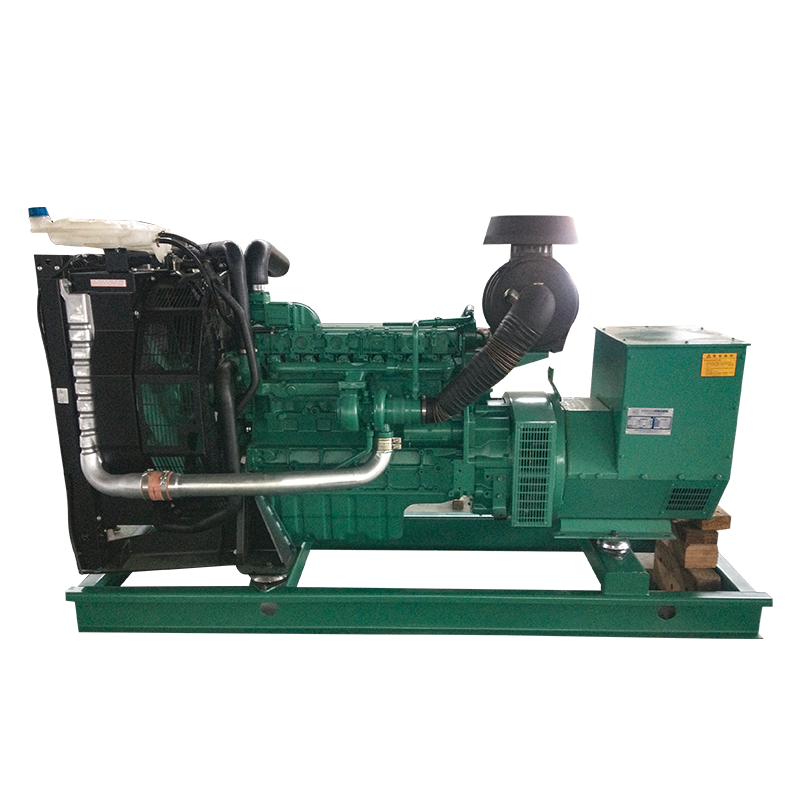 180 kW Deutz Generator Set for Commercial and Industrial LoadsA heavy-duty 180 kW Deutz unit designed for long-running prime power or standby applications where large loads like air conditioning demand quick response, high reliability, and economical operation.View Product →
The 24 to 180 kW window covers an interesting mix of applications. Small 24 kW sets fit inside telecom shelters and small farms; 128 and 160 kW sets are common on construction sites and in municipal pumping stations; 180 kW sets often support commercial buildings with large air-conditioning loads. In all these cases, a Deutz diesel generator set provides the torque needed to accept block loads without severe frequency dips.
For clients that need to install the generator inside a container, air-cooled Deutz engines simplify the ventilation design because there is no radiator fan to fight against airflow restrictions. Water-cooled units, on the other hand, are better suited to indoor plant rooms where noise isolation is important. We also hold the relevant network access qualifications for the telecommunications and broadcasting industries, which can simplify approval when the generator is connected to regulated infrastructure.
The chart is an illustrative distribution of common project types for this power range; your own mix may look different. The key point is that the 24-180 kW range is broad enough to serve both small rural sites and large industrial facilities.
The most common failure we see in diesel generator sets is not an engine design problem; it is a maintenance schedule that was ignored because the set was never called into service. A generator that sits for months without running can develop wet stacking, corrosion in the alternator and a weak battery. A useful practice is to run the set once a month under load for at least 30 minutes or until the coolant reaches full operating temperature. This burns off moisture and carbon deposits.
Oil and filter changes should follow the hours recommended by Deutz for the specific engine model, not the calendar when the machine is rarely used. Fuel quality is also critical. Diesel fuel can grow bacteria in tanks, especially if the generator is not regularly refuelled. Keep the fuel tank topped up, use a water separator, and inspect the air filter in dusty environments more often than the manual suggests.
When buyers compare quotes for a Deutz diesel generator, they often focus on the purchase price and ignore the cost per running hour. The initial price of the set is typically 20-30% of the total cost of ownership over a ten-year life, depending on how many hours the machine operates. Fuel consumption and maintenance intervals are the two biggest variable costs.
As an illustration, the chart below plots the relative relationship between load and fuel consumption for a typical 160 kW Deutz generator set. Running the set below 30% load wastes fuel and creates carbon build-up. The efficient zone is usually between 60% and 85% of rated load.
The curve is meant to illustrate a principle, not to replace a fuel test on your specific unit. Ask your supplier for a demonstrated fuel consumption chart before purchasing. Also compare the cost of genuine Deutz filters against aftermarket parts. Non-genuine filters can save money in the short term but they may increase oil consumption and shorten engine life, especially in high-hour operation.
Yes, but only if it is a prime-rated set and is kept within its permitted load limits. Standby-rated sets are designed for interrupted use. When continuous operation is required, choose a prime-rated set and follow the manufacturer's oil and filter intervals.
Standby power is the maximum output available during a utility outage for a limited time. Prime power is the output that can be supplied continuously to a variable load. A prime-rated set can usually supply standby power for short periods, but a standby-only set should not be run continuously at maximum load.
The service interval depends on the engine model and the number of running hours. Common intervals are 250-500 hours for oil and filters, with more extensive inspections every 1000 hours or annually. If the generator is only used for standby, still carry out monthly load testing and a yearly cooling system check.
Diesel engines lose power as altitude rises because the air is thinner. Many manufacturers specify a derating of roughly 1-2% per 300 metres above sea level for turbocharged engines and more for naturally aspirated engines. Provide the site elevation to your supplier so the set can be sized correctly.
A Deutz diesel generator set can be a dependable part of your power strategy if it is selected with the same care as any critical piece of equipment. Start by defining the load profile, choose the correct standby or prime rating, respect altitude and temperature derating, and put a monthly load test on the calendar. The result is a machine that starts quickly, runs predictably, and keeps your operation online when the grid cannot.
If you are evaluating a Deutz generator for an upcoming project, talk to a manufacturer that builds around your operating conditions. Contact KC POWER to review the available 24-180 kW Deutz range and get a specification that matches your site.
Engineering Support Beyond the Generator

Whether you need standard generator sets or have complex engineering projects, our team can provide you with professional support.
Recommended
Experienced staff and experts are always available to provide you with professional guidance and solutions to technical problems.